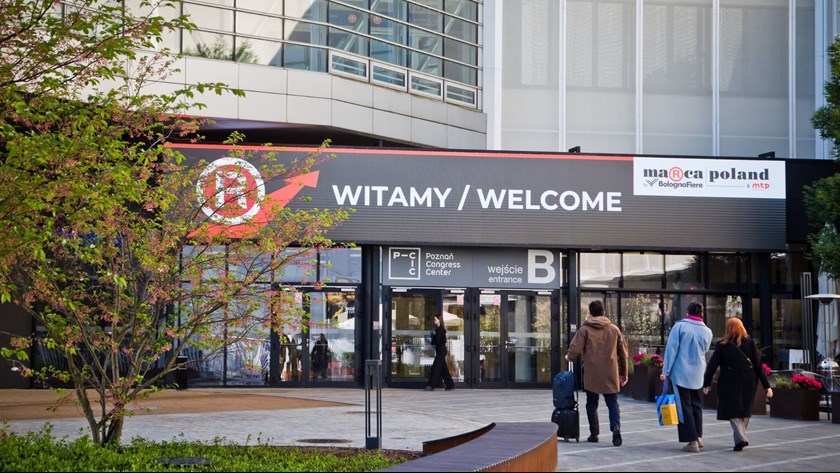
Private Labels in 2026: 5 trends transforming the European Private Label market
A few years ago, private label brands were primarily associated with attractive pricing. Today, the situation looks completely different. Private label products are increasingly setting the direction for the FMCG market, becoming a source of innovation, quality, and competitive advantage for retail chains.
Recent analyses of the European market show that 2026 may be another breakthrough year for the private label sector. Below are the key trends worth watching.
1. Private labels are no longer competing on price alone
European consumers are increasingly choosing private label products not because they are cheaper, but because they offer high quality and meet specific needs. Premium, organic, local, functional, and “free-from” product segments are developing dynamically.
According to market analyses, the share of private labels in Europe has already reached around 40% of retail sales value, and in some countries private label products account for half of all FMCG items sold. Increasingly, they are the ones setting the direction for category development.
2. Innovation is increasingly driven by the private label sector
Not long ago, innovation was mainly the responsibility of national brand manufacturers. Today, this is changing. Retail chains and their manufacturing partners are responding more quickly to new consumer needs.
High-protein products, reduced sugar content, new snack formats, functional ingredients, and convenient solutions for people with active lifestyles are areas where private labels often outperform competitors. Experts indicate that private label already accounts for a significant share of new product launches in the European food market.
3. Sustainable packaging is becoming the standard
Regulatory changes in the European Union and growing consumer expectations mean that packaging is no longer just a protective element of a product.
Increasing importance is being placed on recyclable materials, reducing plastic usage, paper-based packaging, and transparent environmental communication. For many retail chains and manufacturers, the ability to implement sustainable solutions is becoming a key criterion in supplier selection.
4. AI and digitalization are transforming collaboration between manufacturers and retailers
Artificial intelligence is increasingly entering procurement processes, demand forecasting, and category management. Retail chains are using advanced analytics to identify trends faster and better match assortments to customer needs.
For manufacturers, this means the need for greater flexibility, faster product launches, and readiness for data-driven collaboration. AI is becoming one of the key factors improving the efficiency of the entire supply chain.
5. Packaging influences customer loyalty
Consumer research shows that packaging has an increasingly strong impact on purchasing decisions and repeat purchases. Customers expect not only eco-friendliness, but also functionality, proper product protection, and ease of use.
In the era of e-commerce, packaging is becoming even more important as it is one of the key touchpoints between the customer and the brand.
The future of private label is being created today
The growing importance of private labels, the development of premium products, investment in innovation, and new regulations mean that the private label sector is currently in one of the most dynamic periods in its history.
For manufacturers, this creates new opportunities for cooperation with retail chains, and for retailers, it offers a chance to build competitive advantage through a unique product offering. This is why industry events such as MARCA Poland are becoming places where the most important market participants meet and where the directions of sector development for the coming years can be observed.