

Private labels in the meat and cold cuts category. How retail chains build a competitive advantage through cooperation with manufacturers
Private labels have for years ceased to be merely a cheaper alternative to branded products. In the meat and cold cuts segment, they are becoming an important tool for building customer loyalty and differentiating the offering of retail chains. Market examples show that behind the success of products available under the private labels of the largest retailers are specialized manufacturers and long-term business partnerships.
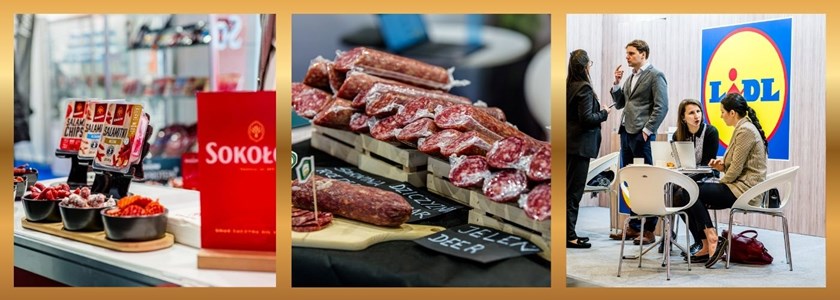
Cold cuts under private labels drive sales
Polish consumers are increasingly reaching for products offered under the private labels of retail chains. This also applies to the meat and cold cuts category, where key factors include quality, food safety, and an attractive price.
Chains such as Biedronka, Lidl, and Carrefour are expanding their own product portfolios, including both breakfast hams, grill sausages, and premium products. For many consumers, a private label is primarily the brand of the retail chain itself. From the industry’s perspective, however, the key role is played by the manufacturer, who is responsible for the recipe, production, logistics, and maintaining quality.
The private label cooperation model allows manufacturers to increase production capacity and grow sales, while retailers can offer products tailored to customer expectations without investing in their own production facilities.
In the meat and cold cuts category, particular importance is given to:
- supply stability,
- production flexibility,
- compliance with chain quality requirements,
- ability to create new recipes and packaging formats,
- implementation of trends related to clean label products and reducing technological additives.
Private Label as a space for innovation
Growing competition between retail chains makes private labels an area of intense innovation. This applies both to the premium segment, regional products, and lines based on simplified ingredient compositions.
An example includes product lines developed by retailers that are promoted as free from certain technological additives or preservatives, responding to the growing expectations of conscious consumers.
Targi Marca Poland miejscem spotkań producentów i detalistów
The dynamic development of private labels in the food category shows how important cooperation between manufacturers and retail chains is. It is at private label trade fairs that new projects, partnerships, and innovative products later reaching the shelves of the largest chains are created.
Marca Poland is a space where the following meet:
- private label manufacturers,
- retail chains,
- importers and distributors,
- FMCG market experts,
- packaging and production technology suppliers.
The meat and cold cuts segment remains one of the most important areas of private label development in Poland, and rising consumer expectations mean that cooperation between manufacturers and retailers will play an even greater role in the coming years.